In this guide (12 sections)
- Entry-level remote jobs to look for
- Where to find legitimate listings
- How to stand out with no experience
- Preparing for a remote interview
- Work-from-home scam warning signs
- Realistic expectations
- Writing a CV for remote roles with no experience
- A short cover letter template
- How to verify a remote job is real
- Common scam scripts to recognise
- Building a small business alongside a remote job
- Jobs versus running your own online business
Remote work isn't only for people with years of experience. Plenty of companies hire beginners for home-based roles and train them. This guide covers the entry-level jobs worth looking at, where to find them, how to stand out without experience, and how to avoid the scams that target people searching for these jobs.
Entry-level remote jobs to look for
| Role | What you do | Good fit if you… |
|---|---|---|
| Customer service representative | Answer calls, chats or emails for a company | Are patient and clear on the phone |
| Chat / email support | Written support only | Prefer typing to talking |
| Data entry | Enter and check information accurately | Are detail-oriented and type quickly |
| Transcription / captioning | Turn audio into text | Have good listening and spelling |
| Virtual assistant | Email, scheduling, admin for small businesses | Are organised and reliable |
| Content moderator | Review posts against platform rules | Can make consistent judgement calls |
| Appointment setter | Book calls for a sales team | Are comfortable reaching out to people |
| Online tutor | Teach a language or subject over video | Speak a language fluently or know a subject well |
Where to find legitimate listings
- Large job boards such as Indeed, LinkedIn and Glassdoor, using the "remote" filter.
- Remote-specific job boards, for example FlexJobs, We Work Remotely and Remote.co.
- Company careers pages of businesses that run large support teams (banks, airlines, software companies, retailers).
- Freelance platforms like Upwork and Fiverr for virtual assistant and transcription work.
How to stand out with no experience
- Highlight transferable skills. Retail, hospitality, call centres, volunteering and caring for family all build patience, communication and problem-solving.
- Show you're set up for remote work. Mention reliable internet, a quiet workspace and comfort with common tools (email, video calls, spreadsheets).
- Take a free short course in customer service, typing, Excel or a common support tool, and list it.
- Tailor each application. Use words from the job description in your CV and cover letter.
- Apply widely and follow up politely after a week.
Preparing for a remote interview
- Test your camera, microphone and internet beforehand.
- Prepare a short story about a time you helped a customer or solved a problem.
- Have questions ready: training, schedule flexibility, equipment, how performance is measured.
- Expect a typing or skills test for data entry and support roles.
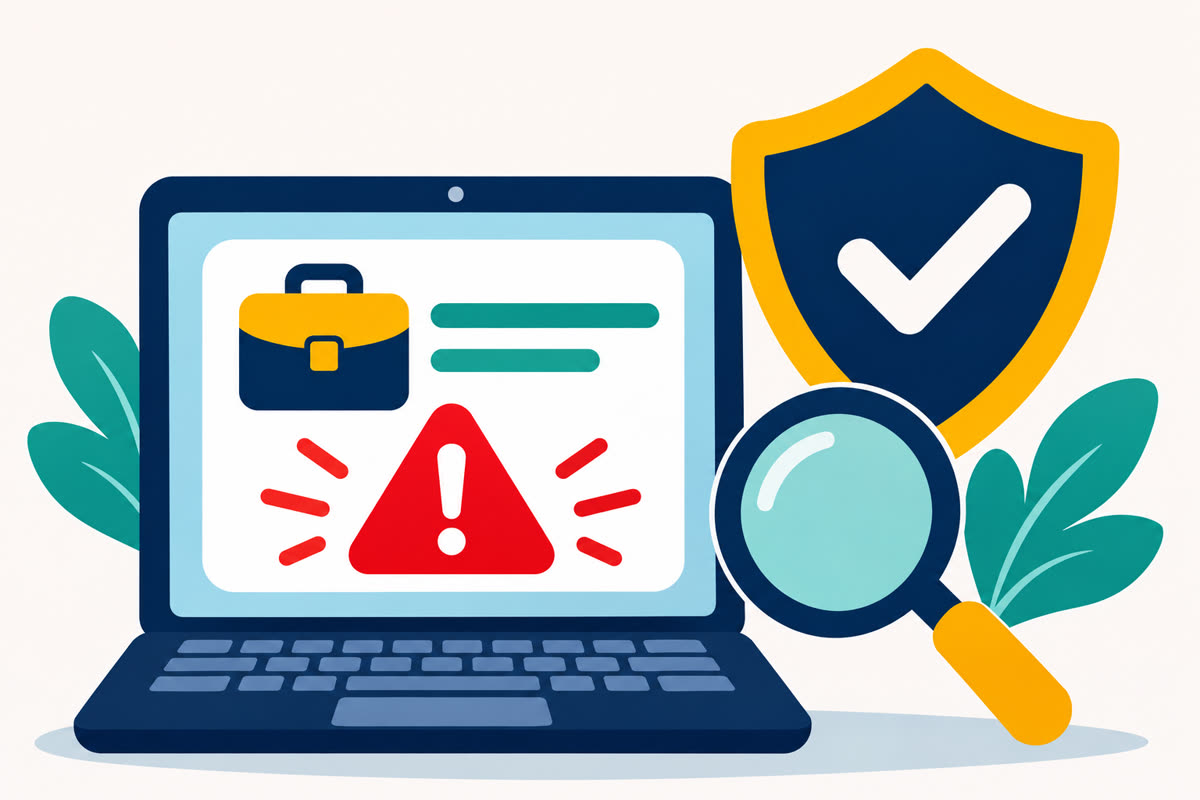
Work-from-home scam warning signs
- You must pay for training, a starter kit, software or "registration".
- They hire you without an interview, often through Telegram, WhatsApp or text messages.
- They send a cheque to buy equipment and ask you to send part of it back.
- The pay is far above similar roles for very simple tasks.
- "Jobs" where you rate products, "optimise apps" or "boost orders" and must top up your own money to unlock earnings.
- They ask for bank details or ID before any formal offer.
When in doubt, search the company name plus "scam" or "reviews", check the company's official website for the same job, and never send money to get a job.
Realistic expectations
Entry-level remote jobs are competitive because so many people want them. It's normal to send many applications before getting interviews. Pay is usually similar to the same job done in an office. Some roles have fixed shifts, so "work from home" doesn't always mean "work whenever you like".
Writing a CV for remote roles with no experience
Recruiters for remote roles look for reliability, communication and self-management. Shape your CV around those:
- Summary (2 lines): "Patient, organised communicator with retail customer experience, comfortable with email, chat and video tools, looking for a remote support role."
- Experience: for each past job (paid or unpaid), list results: "Handled 50+ customer questions a day", "Trained three new team members."
- Skills: typing speed, tools you know (Google Workspace, Microsoft Office, Zoom, Slack), languages.
- Remote readiness: a line on your setup: "Reliable high-speed internet, quiet dedicated workspace."
- Training: any free courses completed.
A short cover letter template
Hi [hiring manager],
I'm applying for the [role] position. In my [previous role/experience], I [one concrete example of helping customers or solving a problem]. I work well independently, I'm comfortable with [tools from the job ad], and I have a reliable home setup with [internet/quiet workspace]. I'd love to bring [one quality from the job ad] to your team. Thank you for considering my application.
[Your name]
How to verify a remote job is real
- Find the job on the company's own website. If it's not listed there, be cautious.
- Check the email domain. Real recruiters usually email from the company domain, not a free webmail address.
- Look up the recruiter on LinkedIn and check they work at the company.
- Expect a real process: application, interview (often video), a written offer.
- Never pay, buy equipment through them, or move money as part of getting hired.
Common scam scripts to recognise
- "You've been selected for a remote position. Please download this app to continue the interview."
- "We'll send you a cheque for your home office equipment. Deposit it and send the balance to our vendor."
- "Complete simple tasks rating products. To unlock your earnings, top up your account first."
- "Training costs $X, refunded after your first paycheck."
Each one ends with you sending money or personal details. Legitimate employers pay you, not the other way round.
Building a small business alongside a remote job
Once you have steady remote work, some people use evenings or weekends to build something of their own: freelancing, a niche content channel, digital products or affiliate marketing. It's slower and less certain than a job, so treat it as a side project at first and keep your income steady while you learn.
Jobs versus running your own online business
It's worth being clear about the difference, because many "work from home" ads blur it:
| Remote job | Your own online business | |
|---|---|---|
| Who pays you | An employer | Customers (or commissions on sales) |
| Income | Fixed wage or hourly rate | Uncertain, especially at first |
| Startup cost | None (legitimate employers don't charge you) | None to modest, depending on the business |
| Schedule | Often set by the employer | Set by you |
| Examples | Support agent, data entry, VA employee | Freelancing, affiliate marketing, digital products |
Some people keep a remote job for steady income and build a small business on the side. If that interests you, read side hustle ideas and how to make money online for beginners.
Frequently asked questions
Are there really work from home jobs that need no experience?
Yes. Customer service, chat support, data entry, transcription and some sales roles often hire beginners and provide training. Competition can be high, so apply widely and tailor each application.
How do I know if a work from home job is a scam?
Red flags: you have to pay to apply or for training, they hire you without any interview, they send you a cheque to buy equipment, the pay seems far too high for the work, or they only talk over chat apps.
Is affiliate marketing a work from home job?
No. It's a small business you run yourself. There's no employer and no guaranteed pay; you earn commissions only when people buy through your links.
What equipment do I need for a remote job?
Usually a reliable computer, stable internet and a quiet space. Phone-based roles often need a headset. Some employers provide equipment; legitimate ones never ask you to buy it from them.
Can I work from home with no degree?
Yes. Many customer support, data entry, transcription and virtual assistant roles don't require a degree, especially if you can show reliability, communication skills and basic computer skills.
Some links on this site are affiliate or referral links, and we may earn a commission if you buy through them. Results depend on your traffic and effort. Earnings are not guaranteed.